


HoneyCare® Tea Cat Litter
- Description
- Return & Exchange
Crafted from Natural Tea Residue for a Cleaner, Greener Home
Our Tea Cat Litter is made from premium-quality tofu residue, offering a sustainable, plant-based alternative to traditional clay litter. It’s gentle on your pet and the planet.
Eco-Conscious & Pet-Safe
Formulated without any harsh chemicals or artificial additives, this litter is completely non-toxic, dust-free, and safe for daily use. It promotes better indoor air quality, ensuring a healthier living space for you and your cat.
Powerful Odor Neutralization
Say goodbye to lingering smells! Our litter locks in unpleasant odors fast, keeping your home smelling fresh—even with multiple cats.
Quick Clumping & Superior Absorption
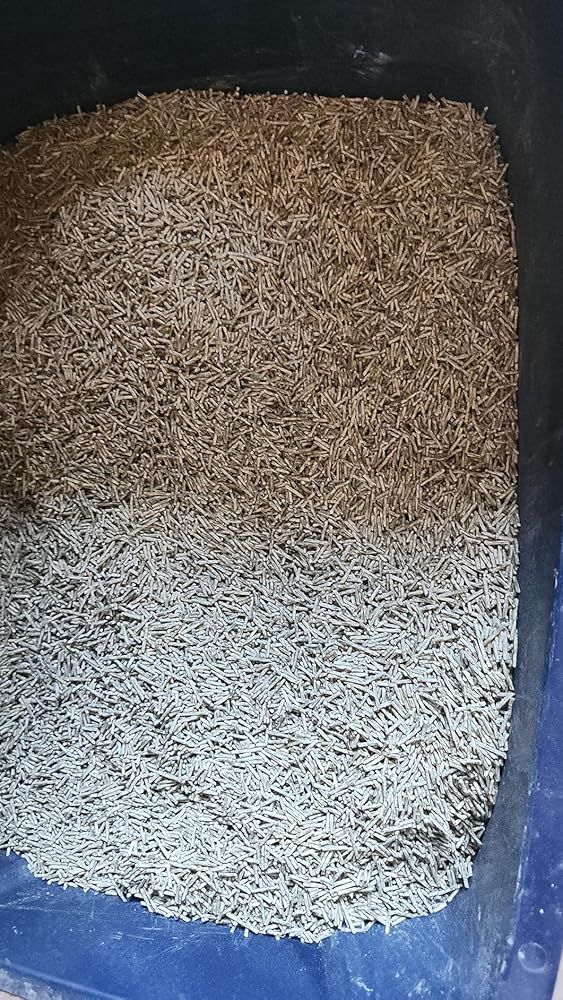
Thanks to its ultra-absorbent formula, liquids are quickly soaked up and form tight, solid clumps—making daily scooping fast and hassle-free.
Flushable for Easy Disposal
No more trips to the trash—this litter is flushable, offering the ultimate convenience in waste removal. Just scoop and flush!
Derived from Pure Plant Extracts
Made with natural, food-grade ingredients and zero artificial fragrances or dyes, it’s safe even for the most sensitive felines.
Low Tracking, Easy Maintenance
Keep your floors cleaner. Our litter minimizes tracking and won’t stick to your cat’s paws like other litters often do.
Effortless Cleanup
Lightweight and easy to handle, this litter simplifies cleanup time—giving you more moments to enjoy with your furry friend.
You may request a return or exchange of unused, unopened HoneyCare pet diapers within 14 days of receipt by contactingservice@honeycarepet.com. Customers cover return shipping costs, and refunds are processed within 5-7 business days after inspection, Damaged or defective items reported within 7 days will be replaced or refunded at no extra cost.
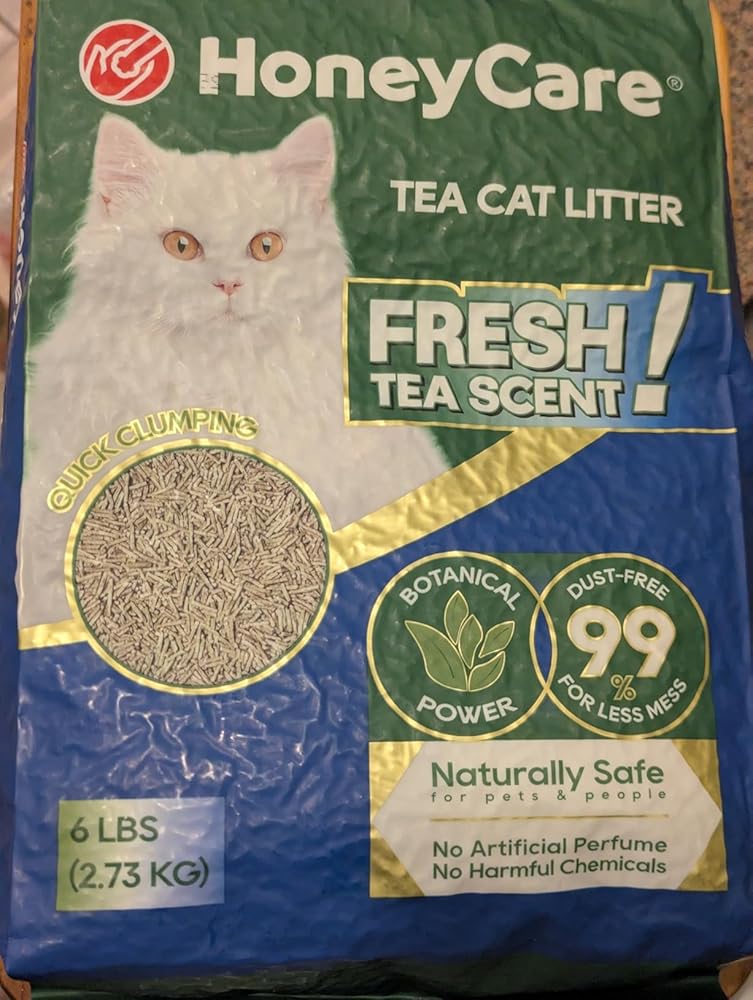
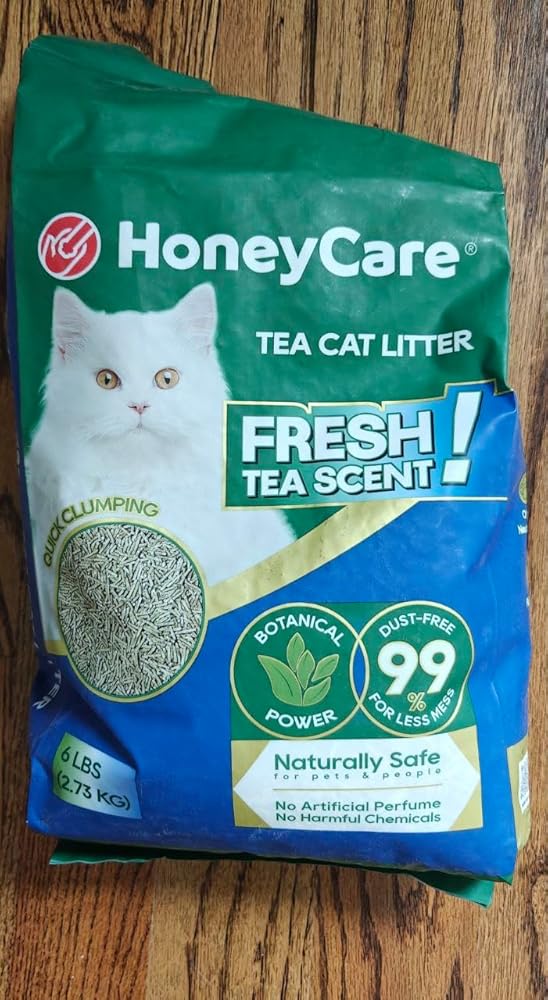
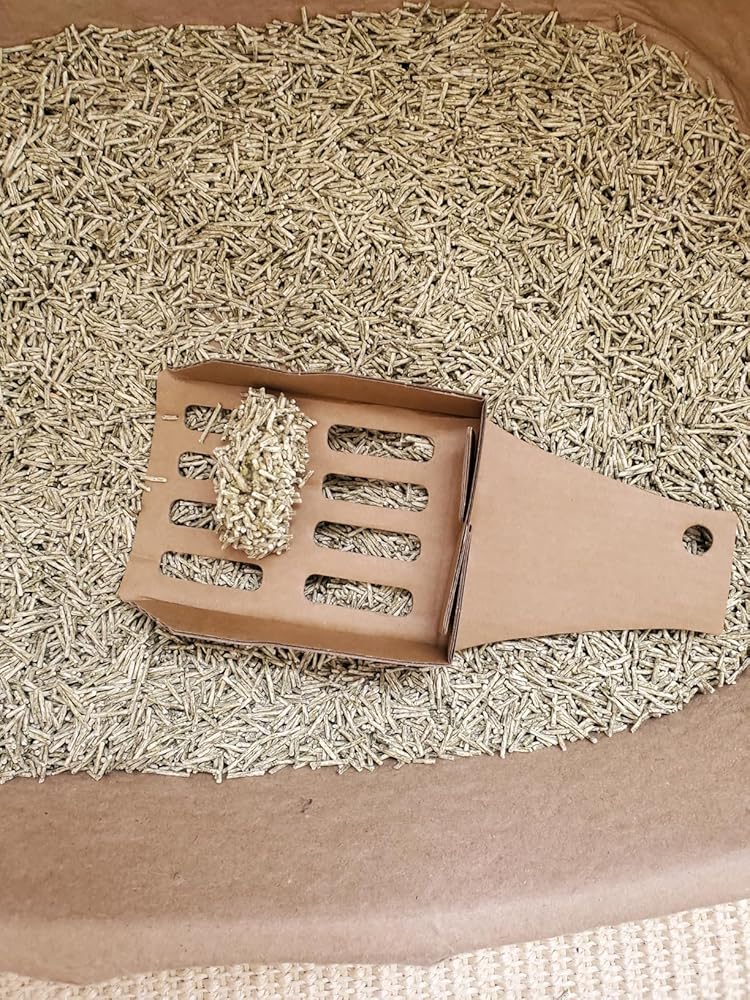
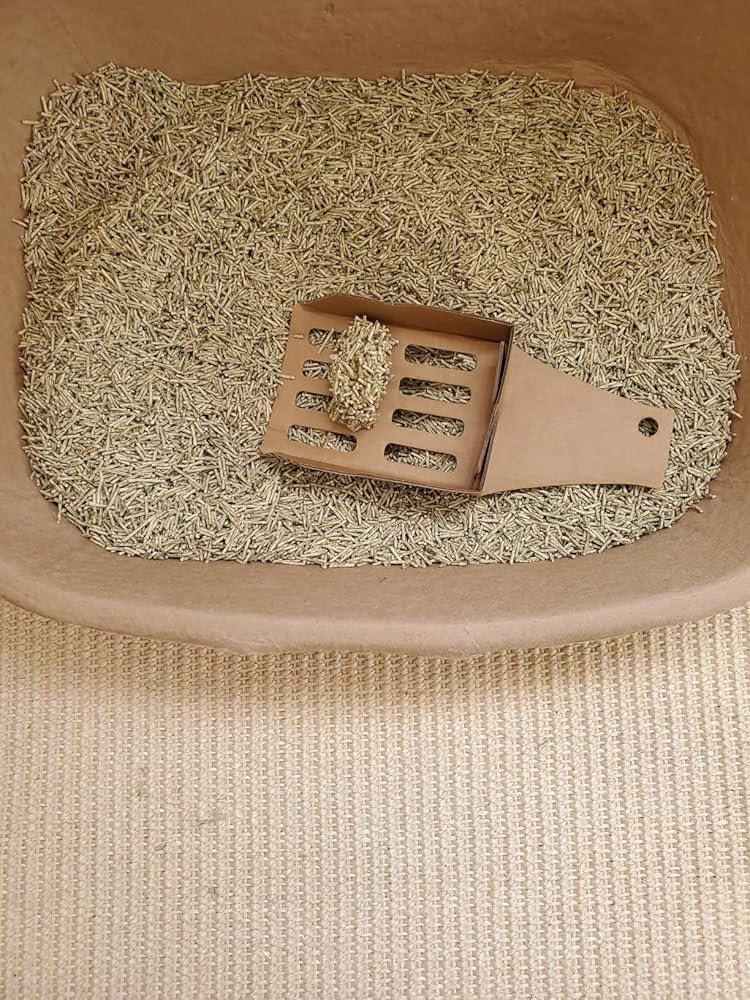
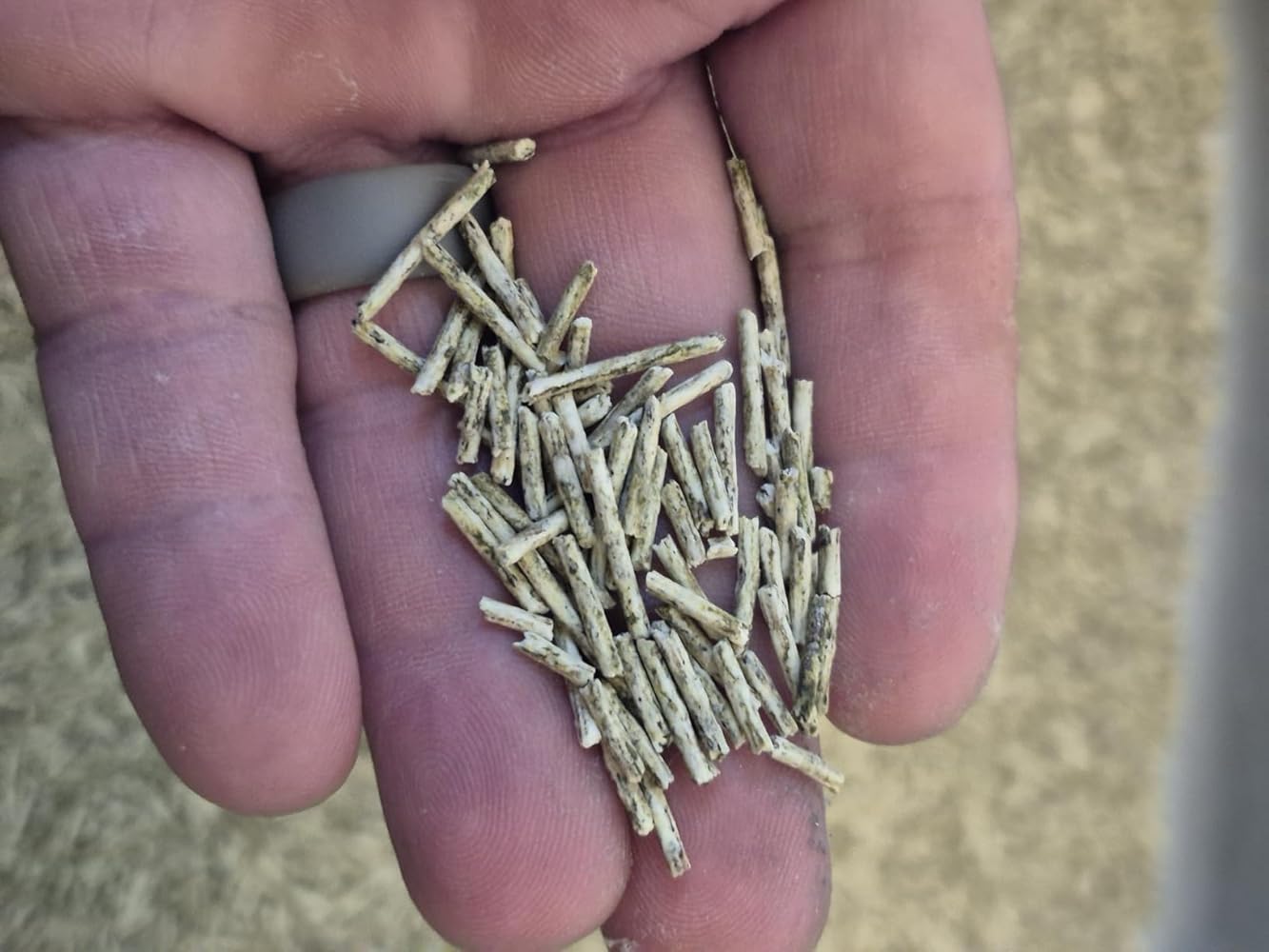
HoneyCare® Tea Cat Litter is a plant-based clumping litter made from real tea leaves. It delivers a natural tea scent that gets stronger when it touches moisture, so the box smells like tea rather than ammonia. The pellets form tight clumps on contact, locking odor inside the clump where it cannot escape into the room. The litter is 99% dust-free, which matters if your cat has asthma or if you are tired of cleaning dust off every surface near the box. It is also flushable and biodegradable — scoop the clump, flush it, and you are done. No trips to the trash, no smell in the bin.
Made from food-grade ingredients with zero artificial perfumes or chemicals, it is safe for kittens, cats with sensitive paws, and multi-cat households where odor control is not optional.
Who this is for
| Situation | Is this litter right? |
|---|---|
| You are tired of the ammonia smell even right after scooping | YesThe tea scent masks ammonia naturally without adding synthetic fragrance, so the room smells like tea instead of cat pee. |
| You have asthma, allergies, or a cat with respiratory issues | Yes99% dust-free means no cloud when you pour it and no dust settling on furniture. This is as low-dust as litter gets. |
| Your cat tracks litter all over the house | YesTea pellets do not stick to paws the way clay or crystal litter does. You will still see some tracking, but far less. |
| You live in an apartment or small space where litter smell is a problem | YesFlushable disposal means no bag of used litter sitting in your trash can for days. Flush the clump, and the smell is gone. |
| You want an eco-friendly litter that does not sit in a landfill for decades | YesMade from plant waste (tea leaves), fully biodegradable, and safe to flush in septic systems. No strip mining, no clay dust. |
| Multi-cat household where one box gets used 6+ times a day | YesQuick clumping locks each use into a separate clump, so odor does not build up between scoops. The tea scent keeps the room fresh. |
| Your cat has sensitive paws or declawed toes | YesSoft pellets are gentler than sharp clay granules. No chemicals or dyes that could irritate skin. |
| Kitten who is still learning the box | YesNon-toxic and safe if ingested in small amounts while grooming paws. Kittens do eat litter sometimes — this one will not hurt them. |
| You are switching from clay and your cat is picky about texture | Check firstSome cats reject plant litter if they are used to clay. Mix it 50/50 with the old litter for a week, then switch fully. See how to transition litter. |
| You flush litter in California or another state that discourages it | Check firstThis litter is safe to flush in septic systems, but California discourages flushing cat feces due to toxoplasmosis risk to marine life. You can flush the litter, just not the solid waste. Check your local guidelines. |
| You have an automatic litter box that requires specific pellet sizes | NoThis litter is designed for manual scooping. Check your auto box's specs — most require clumping clay or specific crystal sizes. |
| You want zero scent at all, not even natural tea | NoThe tea scent is part of how this litter works. It is not synthetic perfume, but it is noticeable. If you want unscented, look for plain tofu litter. |
How long one bag lasts
One 6 lb bag lasts an average-sized cat about 12 days when you scoop daily. A 24 lb box (four 6 lb bags) lasts about 48 days for one cat, 24 days for two cats, or 16 days for three cats. These are averages based on home testing with typical cats — a large male who drinks a lot will go through it faster, a small female slower.
| Number of cats | One 6 lb bag | 24 lb box (4 bags) |
|---|---|---|
| 1 cat | Over 12 days | Over 48 days |
| 2 cats | Over 6 days | Over 24 days |
| 3 cats | Over 4 days | Over 16 days |
Results vary depending on box size, how often you scoop, and how much each cat drinks. A box filled 3–4 inches deep uses about half a bag. Top it off every few days as the level drops from scooping.
Frequently asked questions
Does the tea scent actually cover the smell, or is it just perfume on top of ammonia?
It covers it. Real tea leaves contain natural compounds that neutralize ammonia odor molecules rather than masking them with fragrance. When the litter gets wet, the tea scent intensifies and works with the clumping action to lock odor inside the clump. That is different from scented clay litter, which adds synthetic perfume on top of the pee smell so you smell both. With tea litter, the room smells like tea — not tea plus cat pee.
The scent is noticeable but not overpowering. If you walk into the room you will smell tea, not a litterbox. If you are sensitive to any scent at all, even natural ones, this is probably not the right litter for you. But if the goal is to stop the room from smelling like ammonia, the tea does that job.
Is this litter actually flushable, or will it clog my pipes?
It is flushable — the pellets dissolve in water within minutes, as shown in the product images. Flush 1–2 clumps at a time, not a full scoop all at once. The litter is designed for well-maintained septic systems and standard plumbing. Do not flush it if you have old pipes, a grinder pump, or a system that already struggles with clogs.
California and a few other states discourage flushing cat feces (not the litter itself) because of toxoplasmosis risk to marine life. You can flush the litter clumps; just dispose of solid waste in the trash. Check your local guidelines if you are unsure. If flushing is not an option for you, the litter is also compostable or can go in the trash — it will biodegrade either way.
How do I transition my cat from clay litter to this without them rejecting the box?
Mix the new litter 50/50 with the old litter for the first week. Cats are texture-sensitive, and a sudden switch can make them avoid the box entirely. After a week, shift to 75% tea litter and 25% old litter. By week three, go 100% tea litter. If your cat starts peeing outside the box at any point during the transition, go back one step and stay there for another few days.
Keep the box in the same spot and do not change anything else during the switch — same box, same location, same scoop schedule. The only variable should be the litter itself. Most cats adapt within two weeks. If your cat absolutely refuses after three weeks of gradual mixing, they may be one of the cats who will only use clay. It happens. Read the full litter transition guide for troubleshooting.
How often should I scoop, and how often do I need to dump the whole box?
Scoop daily, ideally twice a day if you have multiple cats. Tea litter clumps fast and locks odor inside the clump, but clumps sitting in the box for days will eventually start to smell. Scooping once in the morning and once at night keeps the box fresh and extends how long the litter lasts.
Dump and refill the entire box every 2–3 weeks for one cat, every 10–14 days for two cats, weekly for three or more. When you dump it, wash the box with soap and water, dry it completely, then refill with fresh litter to a depth of 3–4 inches. If you wait too long between full changes, the litter at the bottom will compact and stop clumping properly.
Is this safe if my cat eats the litter?
Yes, in small amounts. The litter is made from food-grade plant materials (tea leaves and tofu residue) with no added chemicals, so a kitten or cat licking their paws after using the box will not get sick. Kittens sometimes eat litter while they are learning the box — this one will not hurt them if they swallow a few pellets.
That said, eating large amounts of any litter is not normal and usually means something else is wrong. Cats with anemia, nutritional deficiencies, or pica will eat litter compulsively. If your cat is actively eating litter rather than just licking their paws clean, call your vet. The litter is safe, but the behavior is a red flag.
Why is this more expensive than clay litter?
Because plant-based litter costs more to produce than clay, which is cheap to mine and process. Tea litter is made from tea leaves and tofu residue — agricultural byproducts that require collection, drying, forming into pellets, and quality control to ensure they clump properly. Clay just gets dug out of the ground, crushed, and bagged.
That said, tea litter lasts longer per pound because it clumps tighter and you throw away less unused litter with each scoop. A 24 lb box lasts about as long as 40–50 lbs of clay for one cat. Factor in the convenience of flushing (no trash bags, no smell in the bin) and better odor control, and the price gap closes. You are paying more upfront but getting more performance and less hassle.
Does this litter track everywhere like clay does?
It tracks less than clay or crystal litter, but some tracking still happens. The pellets are smooth and do not stick to paws the way sharp clay granules do, so your cat will not carry as much out of the box. You will still see a few pellets near the box, especially if your cat kicks while burying.
To minimize tracking, use a litter mat outside the box and trim the fur between your cat's toes if they have long hair. A high-sided or top-entry box also helps. No litter is completely track-free unless your cat never leaves the box, but tea litter is one of the better options for keeping floors cleaner.
Can I use this in an automatic litter box?
Probably not. Most automatic boxes are designed for clumping clay with specific granule sizes, and plant-based pellets do not work with the sifting or raking mechanisms. Check your box's manual — if it says "clumping clay only" or lists specific approved litters, stick with those. Using the wrong litter can jam the motor or leave clumps behind.
If your box says it works with "any clumping litter," you can try it, but be prepared to go back to clay if the machine starts having issues. This litter is designed for manual scooping, where it works great. Automatic boxes are a different use case.
Is the dust really 99% gone, or is that marketing?
It is real. Pour this litter next to a bag of clay and the difference is obvious — no cloud when you pour, no dust settling on the edge of the box or the floor around it. The 99% figure comes from the manufacturing process: tea pellets are formed wet and then dried, so there is no grinding step that creates dust. Clay litter is crushed rock, so dust is unavoidable no matter how much they try to suppress it.
You will still see a tiny bit of fine particles at the bottom of the bag — that is broken pellet fragments, not airborne dust. It does not go airborne when you scoop. If dust is a problem for you or your cat (asthma, allergies, chronic sneezing), switching to tea litter makes a noticeable difference within a few days.
What if my cat hates the texture and refuses to use the box?
Some cats will reject plant litter if they grew up on clay. The texture is different — pellets instead of granules — and some cats are stubborn about it. If you switched cold turkey and your cat stopped using the box, that is probably why. Go back to the old litter immediately, then start the transition over using the 50/50 mixing method described above.
If you did the gradual transition correctly and your cat still refuses after three weeks, they may be one of the cats who will only use clay. It is not common, but it happens. In that case, go back to clay and accept that flushable litter is not an option for this particular cat. Forcing a cat to use a litter they hate is how you end up with pee on the carpet.
Can I compost used litter instead of flushing it?
You can compost the litter itself, but not the cat feces. Used litter (urine clumps only) can go in a compost bin and will break down within a few months because it is plant-based. Cat feces should not go in compost that will be used on vegetable gardens because of toxoplasmosis and other pathogens that survive composting temperatures. If you have a dedicated pet-waste compost bin that will only be used on ornamental plants, then yes, the whole thing can go in there.
Most people either flush the clumps (easiest), throw them in the trash (if flushing is not allowed), or separate the solids and compost only the urine-soaked litter. The litter is biodegradable either way, so it will not sit in a landfill for decades like clay does.
How much litter do I put in the box to start?
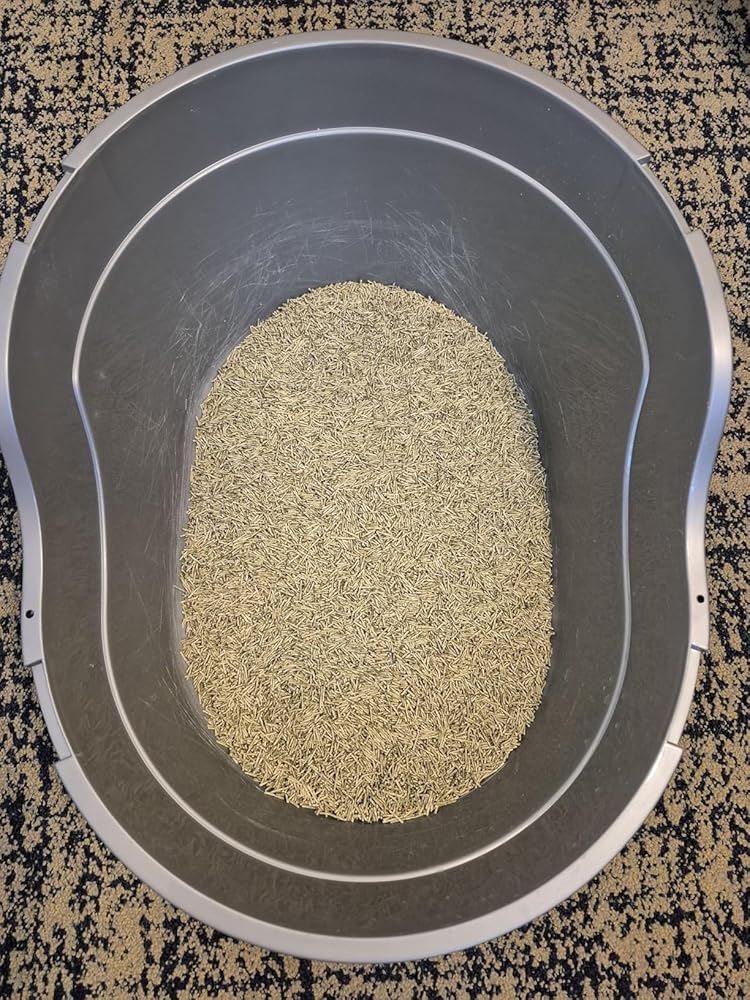
Fill the box 3–4 inches deep. That is about half a 6 lb bag for a standard-sized box. Too shallow and clumps will stick to the bottom of the box; too deep and you are wasting litter. When you scoop daily, the level will drop as you remove clumps. Top it off every few days to keep it at 3–4 inches.
If you have a large or deep box, you might need more. If you have a shallow box or a kitten-sized box, use less. The goal is enough depth that clumps form without touching the bottom, but not so much that your cat is wading through litter. Three inches is the sweet spot for most setups.
Does the clumping work in a high-humidity climate, or does it fall apart?
It works, but high humidity can make the litter absorb moisture from the air over time, which weakens clumping if the bag sits open for weeks. Store the litter in a sealed container or clip the bag shut between refills. Once it is in the box and the cat uses it, humidity does not affect how the clumps form — urine clumps fast and tight regardless of the weather.
If you live somewhere extremely humid (Florida, Southeast Asia, coastal tropics) and you notice the litter feeling softer or clumping less firmly after a month, you are probably storing it wrong. An airtight bin solves the problem. The clumping itself is not the issue — it is storage between uses.
Can I use this for a kitten, or is it only for adult cats?
You can use it for kittens. The litter is non-toxic, so if a kitten licks their paws or accidentally eats a few pellets while learning the box, it will not hurt them. The pellets are also softer than clay, which is gentler on kitten paws. Some people prefer non-clumping litter for very young kittens (under 8 weeks) to avoid any risk of ingestion, but by the time a kitten is old enough to leave their mother (8–10 weeks), clumping plant litter is fine.
Start with a shallow layer (2–3 inches instead of 4) so the kitten does not have to dig through a lot of litter. Kittens are small and can get overwhelmed by a deep box. As they grow, increase the depth to the standard 3–4 inches.
What if the clumps stick to the bottom of the box?
That means the litter layer was too shallow when the cat used it, so the urine soaked all the way through before a clump could form. The fix is simple: add more litter. The box should be 3–4 inches deep at all times. When you scoop daily, the level drops — top it off every few days so it stays at the right depth.
If the litter is deep enough and clumps are still sticking, the box itself might be the problem. Cheap plastic boxes get scratched over time, and urine seeps into the scratches before the litter can absorb it. Replace the box every 12–18 months, or switch to a stainless steel or ceramic box that does not scratch. A liner also works, but some cats hate the texture and will pee outside the box.