

This guide to pet home hygiene audit focuses on A practical 12-point home hygiene audit. Pet home hygiene audit is easier when you break it into 12 points. Check bedding, bowls, toys, floors, litter or pad stations, grooming, odor, waste storage, guest areas, travel kits, and medical supplies.
This guide turns vague cleaning into a repeatable audit you can repeat monthly or quarterly. It also shows when a cleanup problem is actually a health signal.
Key takeaways
- Score 12 areas each month
- Clean with enzyme cleaner
- Keep waste sealed
- Watch for medical signals
- Fix one priority area at a time
Build your 12-point checklist
Use a simple checklist and score each area: clean, needs attention, or problem. Include bedding, bowls, toys, floors, walls near favorite spots, litter or pad stations, waste bins, grooming tools, guest areas, travel kit, medications, and pet-proofing.
Do the audit in one pass. Note what is working and what needs a small fix. This prevents you from trying to fix everything at once.
Turn findings into a weekly routine
Pick two or three priority areas for the next week. For example, wash bedding, deep-clean the pad station, and clean floors near the door. Keep the rest of the home on its normal schedule.
If odor persists after cleaning, look for missed urine spots, soiled bedding, or a medical cause. Use an enzyme cleaner suitable for the surface and keep pets away until the area is dry.
Know when hygiene points to health
Persistent odor, diarrhea, vomiting, lethargy, unusual thirst, or sudden accidents can be medical signals. Do not use cleaning alone to manage them. Bring your notes to a veterinarian if signs continue.
For senior pets, check mobility and skin during each audit. Adjust bedding, floor traction, and toilet access as needed.
12-point pet home hygiene audit
| Area | What to check | Good practice | Red flag |
|---|---|---|---|
| Bedding | Cleanliness, odor, fit | Wash on schedule | Persistent odor or skin irritation |
| Bowls | Residue, cracks, placement | Daily wash and fresh water | Slime, cracks, or refusals |
| Toys | Damage, odor, chewing risk | Clean or replace as needed | Broken pieces or swallowed parts |
| Floors and walls | Stains, odor, traffic areas | Enzyme clean and dry | Repeat spots in the same place |
| Litter or pad station | Location, cleanliness, fit | Scoop or change on schedule | Avoidance, straining, strong odor |
| Waste storage | Sealed bags, bin location | Empty regularly | Odor escaping or pests |
Do the audit in one pass
Walk through the home and score each area clean, needs attention, or problem. Note what is working and what needs a small fix. This prevents you from trying to fix everything at once.
Use the audit to plan the next week. Pick two or three priority areas and keep the rest of the home on its normal schedule.
Odor and accident cleanup
Use an enzyme cleaner suitable for the surface and allow the area to dry completely. Keep pets away until the area is dry.
If odor persists, look for missed urine spots, soiled bedding, or a medical cause. Do not use cleaning alone to manage vomiting, diarrhea, lethargy, or sudden behavior change.
Senior pet adjustments
For senior pets, check mobility, skin, and toileting access. Adjust bedding, floor traction, and toilet stations as needed.
If your pet struggles with stairs, slippery floors, or long walks, consult your veterinarian about safer options and pain assessment.
What to track this week
Keep a short log for pet home hygiene audit. Note the date, time, location, trigger, and outcome. This turns vague frustration into actionable data.
If A practical 12-point home hygiene audit improves, keep the routine. If it worsens, bring your notes to a veterinarian or qualified behavior professional.
How to set up supplies
Keep towels, wipes, spare pads, waste bags, gloves, and enzyme cleaner together. If you use a litter box or pad station, keep it in the same place.
Label supplies and store them where caregivers can find them. This reduces scrambling during busy moments.
How to protect floors and furniture
Clean accidents promptly with an enzyme cleaner suitable for the surface. Blot liquids, remove solids, and allow the area to dry completely.
Block access to repeated spots while you work on the trigger. Keep pets away until the area is dry.
How to review progress
Review pet home hygiene audit for seven days. Count successful moments, accidents, and triggers. Keep the routine stable while changing one variable at a time.
If the trend improves, continue. If it worsens, return to the last successful setup and seek professional help.
How to reduce stress
Use predictable routines, safe resting spots, and short sessions. Let your pet choose whether to approach.
Do not punish fear or accidents. That can increase stress and make behavior harder to change.
If your pet cannot settle, eat, or rest, contact a veterinarian or qualified behavior professional.
How to plan for busy days
Prepare supplies before the busy period. Keep a small kit near the area where accidents are most likely.
Keep water available and toilet breaks predictable. Do not restrict water without veterinary advice.
If your pet seems unwell, contact a veterinarian rather than relying on cleanup products.
Do the audit in one pass
Walk through the home and score each area clean, needs attention, or problem. Note what is working and what needs a small fix.
Use the audit to plan the next week. Pick two or three priority areas and keep the rest of the home on its normal schedule.
Use the audit to plan the next week
Pick two or three priority areas and keep the rest of the home on its normal schedule. This prevents you from trying to fix everything at once.
If odor persists after cleaning, look for missed urine spots, soiled bedding, or a medical cause. Use an enzyme cleaner suitable for the surface and keep pets away until the area is dry.
Watch for medical signals
Persistent odor, diarrhea, vomiting, lethargy, unusual thirst, or sudden accidents can be medical signals. Do not use cleaning alone to manage them.
Bring your notes to a veterinarian if signs continue.
Keep the audit repeatable
Use the same checklist each month so you can compare results. If an area keeps failing, look for a pattern: too many pets in one space, a product that is not working, or a medical issue that needs attention.
For senior pets, check mobility and skin during each audit. Adjust bedding, floor traction, and toilet access as needed.
Turn the audit into a routine
Use the same checklist each month so you can compare results. If an area keeps failing, look for a pattern: too many pets in one space, a product that is not working, or a medical issue that needs attention.
For senior pets, check mobility and skin during each audit. Adjust bedding, floor traction, and toilet access as needed.
Use the audit to plan the next month
Pick two or three priority areas and keep the rest of the home on its normal schedule. This prevents you from trying to fix everything at once.
If odor persists after cleaning, look for missed urine spots, soiled bedding, or a medical cause. Use an enzyme cleaner suitable for the surface and keep pets away until the area is dry. If the same area keeps failing, bring your notes to a veterinarian.
Keep the rest of the routine stable while you test one change at a time. Small, repeatable fixes are easier to maintain than a complete overhaul.
If an area keeps failing, look for a pattern: too many pets in one space, a product that is not working, or a medical issue that needs attention. Bring your notes to a veterinarian if the same issue continues.
Practical wrap-up
A home hygiene audit is useful only if it leads to small, repeatable changes. Pick a few priorities each month and keep the rest of the routine stable.
If cleaning does not solve odor or accidents, look for a medical cause.
Final notes
Use a simple checklist and score each area clean, needs attention, or problem. Include bedding, bowls, toys, floors, walls near favorite spots, litter or pad stations, waste bins, grooming tools, guest areas, travel kit, medications, and pet-proofing.
Do the audit in one pass. Note what is working and what needs a small fix.
Quick reference
Use a simple checklist and score each area clean, needs attention, or problem.
Do the audit in one pass.
What to do next
Use this pet home hygiene audit plan as a working checklist, not a rigid rule. Start with the part that is easiest for your household, then add the next step once the first one is stable.
If you are unsure whether A practical 12-point home hygiene audit is improving, keep a short log for one week and bring it to your veterinarian or a qualified behavior professional. That makes the next decision easier and prevents guessing.
Use a low-pressure setup for pet home hygiene audit
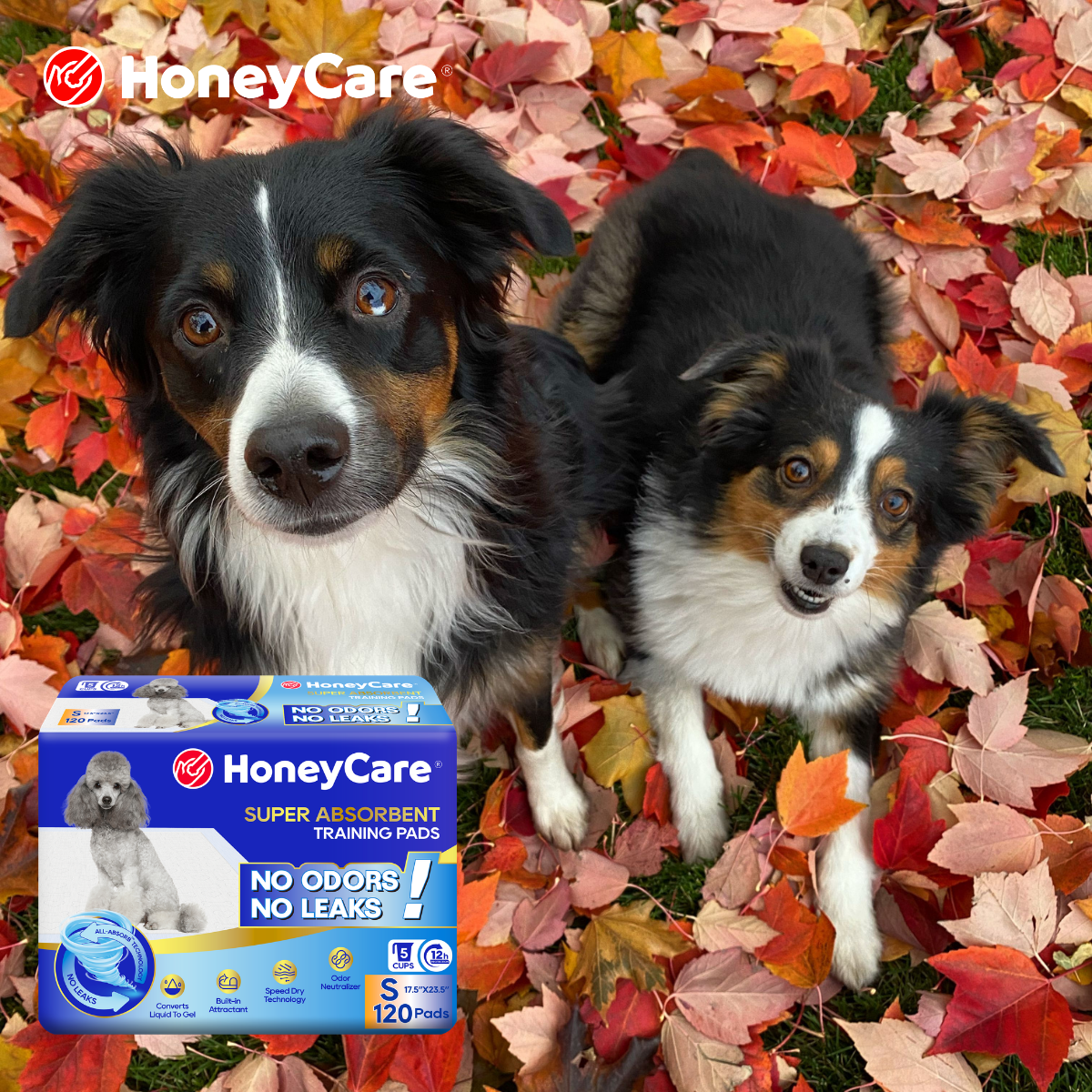
HoneyCare's All-Absorb XXL training pads can support an indoor station during your hygiene audit; the product page lists construction and sizing. HoneyCare's home odor guide and pet-friendly home setup guide can help you plan cleanup and layout.
When health or safety changes the plan
If your dog shows pain, blood, straining, vomiting, lethargy, or sudden behavior change, contact a veterinarian. The ASPCA holiday safety guidance and VCA house-training guidance support supervision and humane care; they do not replace an examination.
A simple seven-day review
Review pet home hygiene audit for seven days. Note successful moments, accidents, and triggers. Keep the routine and cleaning method stable while changing one variable at a time. If the trend improves, continue the setup. If it worsens, bring your notes to a veterinarian or qualified behavior professional.
Sources and further reading
See HoneyCare's home odor guide and pet-friendly home setup guide. The ASPCA holiday safety guidance supports household precautions; the VCA house-training guidance supports toileting and reinforcement.
Frequently Asked Questions
What should I include in a pet home hygiene audit?
Check bedding, bowls, toys, floors, walls, litter or pad stations, waste bins, grooming tools, guest areas, travel kits, medications, and pet-proofing.
How often should I do a home hygiene audit?
A monthly audit works for most homes. If you have multiple pets or a senior pet, consider every two to three weeks or after any illness.
How do I remove pet odor from floors?
Use an enzyme cleaner suitable for the surface, follow product directions, and allow the area to dry completely. Repeat if odor remains.
When is odor a medical concern?
Contact a veterinarian if odor is accompanied by vomiting, diarrhea, lethargy, skin irritation, or sudden toileting changes.
How can I keep the home cleaner with pets?
Use washable bedding, clean bowls daily, keep waste sealed, and maintain a predictable toilet area. Regular grooming also reduces hair and dander.
What should I do if I find repeated urine spots?
Clean with an enzyme cleaner, block access while the area dries, and review triggers. If spots continue or your pet seems unwell, contact a veterinarian.
Leave a comment