

This guide to hosting with new rescue dog focuses on Guests, marking, and confidence building. Hosting with a newly adopted dog works best when you manage space, not just behavior. A new dog may not yet know your home rules, and guests can unintentionally trigger fear or marking. A clear plan protects both the dog and your home.
This guide shows how to prepare a guest plan, prevent marking, and build confidence without forcing interactions. It also helps you distinguish anxiety, marking, and medical accidents.
Key takeaways
- Brief guests before arrival
- Walk the dog first
- Clean existing odors
- Let the dog choose contact
- Seek vet help for sudden changes
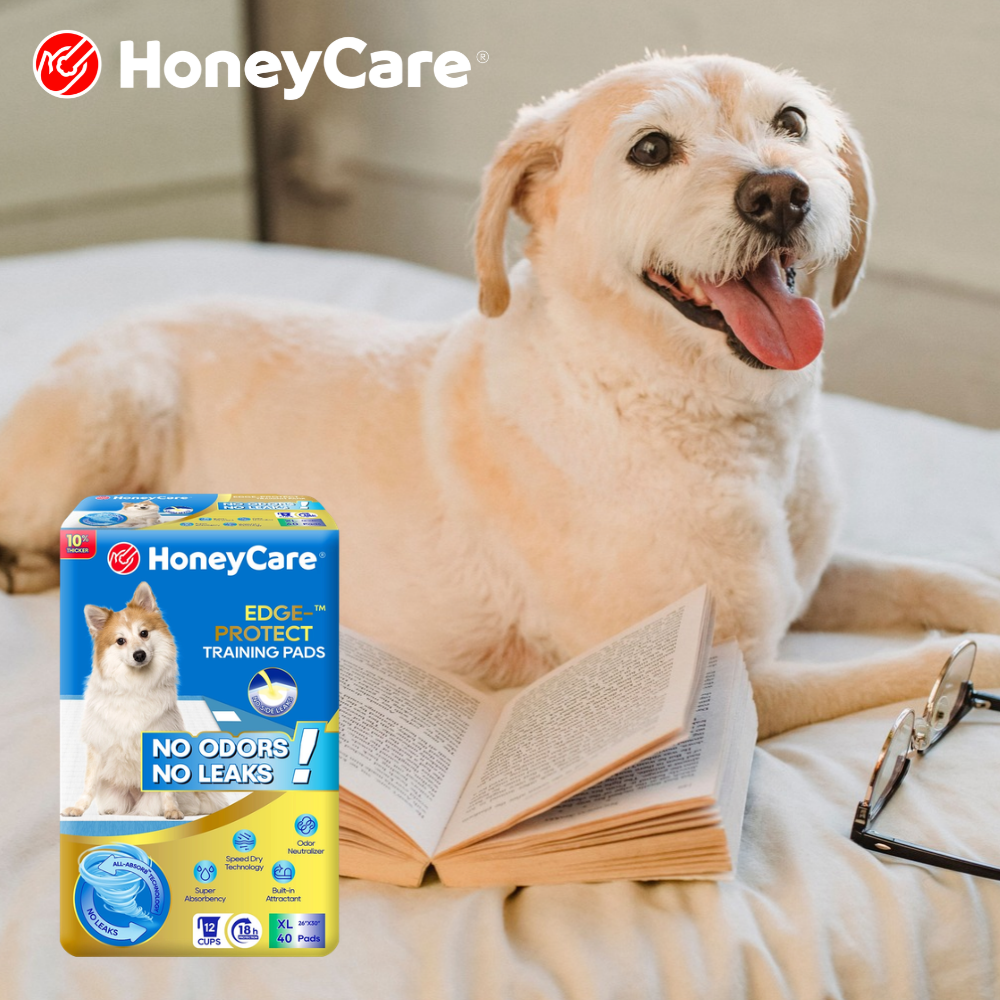
Prepare the home before guests arrive
Set up a quiet room or gated area with bedding, water, and a safe toy. Decide whether your dog will greet guests at all. For a new dog, it is often better to keep greetings short and optional. Brief guests on not reaching over the dog, not chasing it, and not feeding table scraps.
Walk your dog before guests arrive, offer a toilet break, and place an indoor pad station if needed. Close doors to rooms you want protected. Clean existing urine spots with an enzyme cleaner so the scent does not invite repeat marking.
Prevent marking without punishment
Marking often increases when a dog encounters new smells, new people, or other animals. Instead of punishing after the fact, manage access and remove odor. Keep your dog on a leash or in a gated area during the first introductions. Reward calm choices such as sitting near you or choosing to disengage.
If your dog marks a vertical surface, clean thoroughly and block access to that spot during the visit. HoneyCare's guest-marking guide explains how to manage triggers and clean-up. If marking starts suddenly, is frequent, or is paired with illness signs, contact a veterinarian.
Build confidence with short, predictable sessions
Let guests enter calmly and give your dog space. If your dog approaches, reward with quiet praise or a treat. If it retreats, respect the choice and continue with normal household activity. Keep sessions short so your dog does not become overwhelmed.
Over time, predictable routines, safe resting spots, and gentle exposure help a rescue dog learn that guests are not a threat. HoneyCare's rescue-dog pad training guide can help you set up a toileting plan during the adjustment period.
Hosting a new rescue dog by situation and response
| Situation | First response | Avoid | Escalate when |
|---|---|---|---|
| Fear of guests | Quiet room, distance, choice to approach | Forcing greetings | Fear prevents rest or eating |
| Marking on new smells | Clean odor, manage access | Scolding after the fact | Sudden change or illness signs |
| Excited jumping | Reward calm sitting | Rough play or loud corrections | Behavior escalates to injury risk |
| Accident inside | Clean, offer safe toilet option | Restricting water | Blood, pain, straining, collapse |
Before guests arrive
Walk your dog and offer a toilet break. Set up a quiet room or gated area with bedding, water, and a safe toy. Clean existing urine spots with an enzyme cleaner.
Brief guests on not reaching over the dog, not chasing it, and not feeding table scraps. Ask them to enter calmly and let the dog choose whether to approach.
During the visit
Keep greetings short and optional. Reward calm sitting or quiet disengagement. If your dog retreats, respect the choice and continue normal activity.
If your dog marks a vertical surface, clean thoroughly and block access to that spot during the visit.
After the visit
Give your dog a quiet break and check water, appetite, and toileting. If everything looks normal, return to the usual routine.
Use notes from the visit to adjust next time. If the quiet room worked, keep it. If the dog was overwhelmed, shorten greetings or keep separation longer.
What to track this week
Keep a short log for hosting with new rescue dog. Note the date, time, location, trigger, and outcome. This turns vague frustration into actionable data.
If Guests, marking, and confidence building improves, keep the routine. If it worsens, bring your notes to a veterinarian or qualified behavior professional.
How to set up supplies
Keep towels, wipes, spare pads, waste bags, gloves, and enzyme cleaner together. If you use a litter box or pad station, keep it in the same place.
Label supplies and store them where caregivers can find them. This reduces scrambling during busy moments.
How to protect floors and furniture
Clean accidents promptly with an enzyme cleaner suitable for the surface. Blot liquids, remove solids, and allow the area to dry completely.
Block access to repeated spots while you work on the trigger. Keep pets away until the area is dry.
How to review progress
Review hosting with new rescue dog for seven days. Count successful moments, accidents, and triggers. Keep the routine stable while changing one variable at a time.
If the trend improves, continue. If it worsens, return to the last successful setup and seek professional help.
How to reduce stress
Use predictable routines, safe resting spots, and short sessions. Let your pet choose whether to approach.
Do not punish fear or accidents. That can increase stress and make behavior harder to change.
If your pet cannot settle, eat, or rest, contact a veterinarian or qualified behavior professional.
How to plan for busy days
Prepare supplies before the busy period. Keep a small kit near the area where accidents are most likely.
Keep water available and toilet breaks predictable. Do not restrict water without veterinary advice.
If your pet seems unwell, contact a veterinarian rather than relying on cleanup products.
How to set up a quiet room
Choose a room your dog already uses. Add bedding, water, a safe toy, and a pad or litter station if needed. Close blinds or curtains and place a sign on the door.
If your dog is anxious, keep the room available from the start. Do not use it as punishment.
If your dog marks, clean existing spots with an enzyme cleaner and block access.
How to manage guests
Brief guests before they arrive. Ask them not to reach over the dog, chase it, or feed table scraps.
Keep greetings short and optional. Reward calm behavior and let your dog choose whether to approach.
If your dog retreats, respect the choice and continue normal activity.
How to clean marking spots
Use an enzyme cleaner suitable for the surface. Blot liquids, remove solids, and allow the area to dry completely.
Keep pets away until the area is dry. If odor persists, repeat cleaning and block access.
If marking starts suddenly or is frequent, contact a veterinarian.
How to review after the visit
Give your dog a quiet break and check water, appetite, and toileting.
Use notes from the visit to adjust next time. If the quiet room worked, keep it.
If behavior worsens or health signs appear, seek professional help.
Prepare a quiet room
Set up a quiet room or gated area with bedding, water, and a safe toy. Decide whether your dog will greet guests at all.
Brief guests on not reaching over the dog, not chasing it, and not feeding table scraps.
Manage marking triggers
Clean existing urine spots with an enzyme cleaner and block access to repeated spots during the visit.
If marking starts suddenly or is frequent, contact a veterinarian.
Practical wrap-up
For a new rescue dog, predictability matters more than socialization speed. Keep greetings short, manage space, and let the dog choose whether to approach.
If behavior worsens or health signs appear, seek professional help.
Final notes
Set up a quiet room or gated area with bedding, water, and a safe toy. Walk your dog before guests arrive and offer a toilet break.
If your dog marks, clean thoroughly and block access to the spot during the visit.
Quick reference
Set up a quiet room or gated area with bedding, water, and a safe toy.
Decide whether your dog will greet guests at all.
What to do next
Use this hosting with new rescue dog plan as a working checklist, not a rigid rule. Start with the part that is easiest for your household, then add the next step once the first one is stable.
If you are unsure whether Guests, marking, and confidence building is improving, keep a short log for one week and bring it to your veterinarian or a qualified behavior professional. That makes the next decision easier and prevents guessing.
Use a low-pressure setup for hosting with new rescue dog
HoneyCare's All-Absorb XXL training pads can support a temporary indoor station during the adjustment period; the product page lists construction and sizing. HoneyCare's guest-marking guide and rescue-dog pad training guide can help you plan triggers and toileting.
When health or safety changes the plan
If your dog shows pain, blood, straining, vomiting, lethargy, or sudden behavior change, contact a veterinarian. The ASPCA holiday safety guidance and VCA house-training guidance support supervision and humane care; they do not replace an examination.
A simple seven-day review
Review hosting with a new rescue dog for seven days. Note successful moments, accidents, and triggers. Keep the routine and cleaning method stable while changing one variable at a time. If the trend improves, continue the setup. If it worsens, bring your notes to a veterinarian or qualified behavior professional.
Sources and further reading
Read HoneyCare's guest-marking guide and rescue-dog pad training guide. The ASPCA common dog behavior guidance supports humane behavior work; the VCA house-training guidance supports supervised toileting and reinforcement.
Frequently Asked Questions
How do I prepare my rescue dog for guests?
Set up a quiet room or gated area, walk your dog before guests arrive, brief visitors on rules, and let your dog choose whether to interact. Keep greetings short and calm.
Why does my new dog mark when guests come over?
New smells, new people, and changes in territory can trigger marking. Manage access, clean existing spots with an enzyme cleaner, and reward calm behavior rather than punishing after the fact.
Can I leave my new dog alone with guests?
Only if your dog is comfortable and the guests understand your rules. For a newly adopted dog, it is often safer to keep them supervised or in a quiet room until you know their response.
What should I do if my dog pees when guests approach?
Increase distance, lower pressure, and let your dog choose whether to approach. Reward calm behavior. If it happens repeatedly, log the trigger and consult a trainer or veterinarian.
How long should I keep my dog separated during parties?
Use the shortest time that keeps your dog comfortable. Some dogs settle within a few minutes; others prefer a quiet room for the whole event. Watch body language and let behavior guide you.
When is marking a medical concern?
Contact a veterinarian if marking starts suddenly, becomes frequent, or is paired with blood, pain, straining, unusual thirst, vomiting, or lethargy.
Leave a comment